

Homöopathen ohne Grenzen e.V.:
Hilfe zur Selbsthilfe
Seit 1997 leisten die „Homöopathen ohne Grenzen“ (HOG) weltweit überaus erfolgreich „Hilfe zur Selbsthilfe“ mit Ausbildungsprogrammen in klassischer Homöopathie vor Ort. Was mit 30 Mitgliedern begann, ist inzwischen zu einem Verein mit mehr als 300 Mitgliedern gewachsen. HOG engagiert sich politisch, ökonomisch und religiös unabhängig mit klassischer Homöopathie in der Entwicklungszusammenarbeit und humanitären Hilfe. Gewachsen ist in den vergangenen zwei Jahrzehnten auch unsere Professionalität bei der Projektentwicklung. Verhandlungen mit Regierungsstellen vor Ort sowie die Planung der Einsätze und Kontakte zu Kooperationspartnern im Land gehören dazu.
„Hilfe zur Selbsthilfe“ steht immer im Mittelpunkt: Die Projekte arbeiten später völlig unabhängig und die Verantwortlichen vor Ort bilden selbst aus. Was mit einem ersten humanitären Projekt in Bosnien-Herzegowina begann, leisten die ehrenamtlichen ÄrztInnen, HeilpraktikerInnen und Hebammen von HOG inzwischen weltweit, derzeit in Bolivien, Ecuador, Kenia, Sarajevo / Bosnien-Herzegowina, Sierra Leone und für Flüchtlinge in Deutschland. Unser erstes Inlandsprojekt „Homöopathie für Flüchtlinge in Deutschland“ mit HiA (Homöopathie in Aktion) hat sich bundesweit etabliert: Seit 2014 haben sich rund 250 engagierte KollegInnen aus ganz Deutschland registrieren lassen, um Flüchtlinge ehrenamtlich mit einer homöopathischen Behandlung zu unterstützen.
-
Flüchtlingsprojekt
Die HOG-Projektgruppe arbeitet erfolgreich weiter: Almasto Burmeister gibt einen Einblick in einen typischen Behandlungstag in der Unterkunft in Hamburg-Nord. Die PatientInnen kommen überwiegend aus der Ukraine. weiterlesen -
Projekt Ecuador
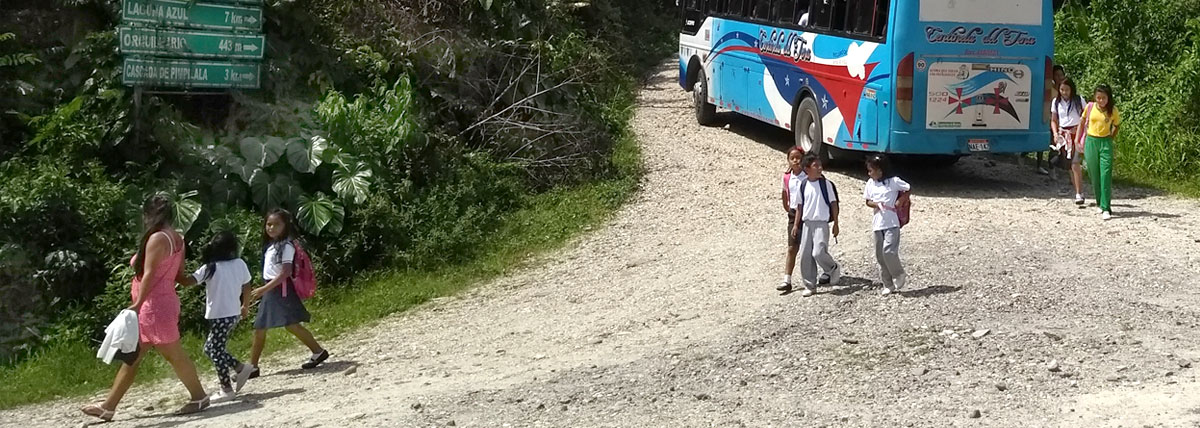
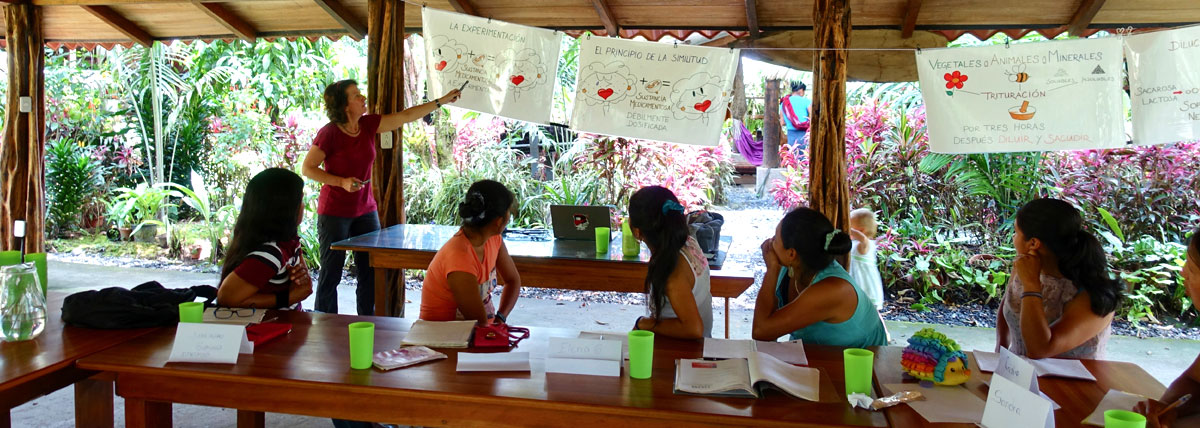
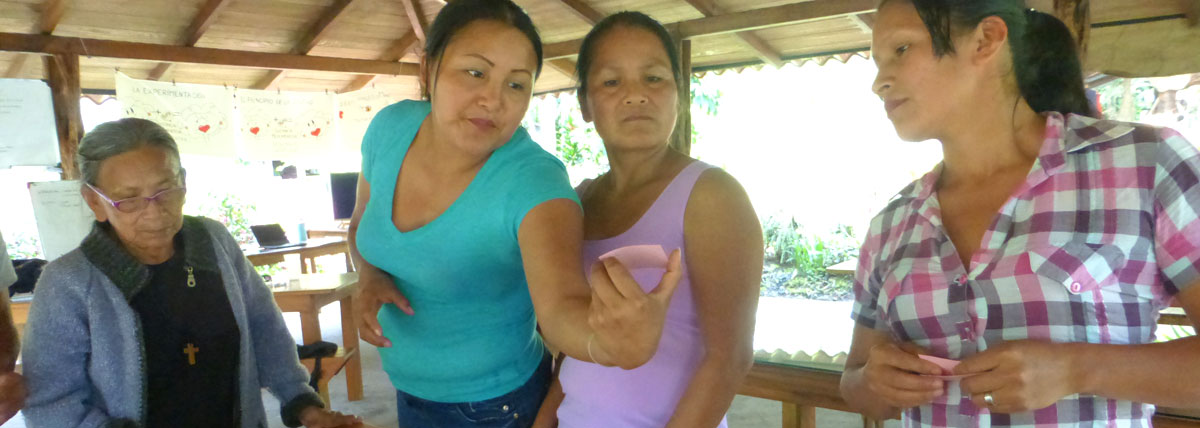
Unsere Projektarbeit in Ecuador mit homöopathischem Erste-Hilfe-Unterricht geht weiter: Marion Böhm und Mirijam Vogels berichten, wie gut die „Hilfe zur Selbsthilfe“ im Regenwald inzwischen funktioniert. weiterlesen -
Mitgliedertreffen April 2024
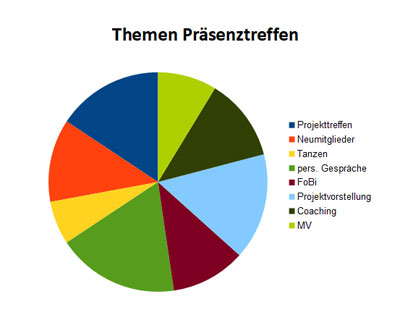
Unser Präsenz-Mitgliedertreffen fand im April 2024 in Fulda statt. Berichte aus den laufenden HOG-Projekten und die Diskussion über die zukünftige Arbeit von HOG standen im Mittelpunkt. Susanne Erwig fasst zusammen. weiterlesen

- 1